

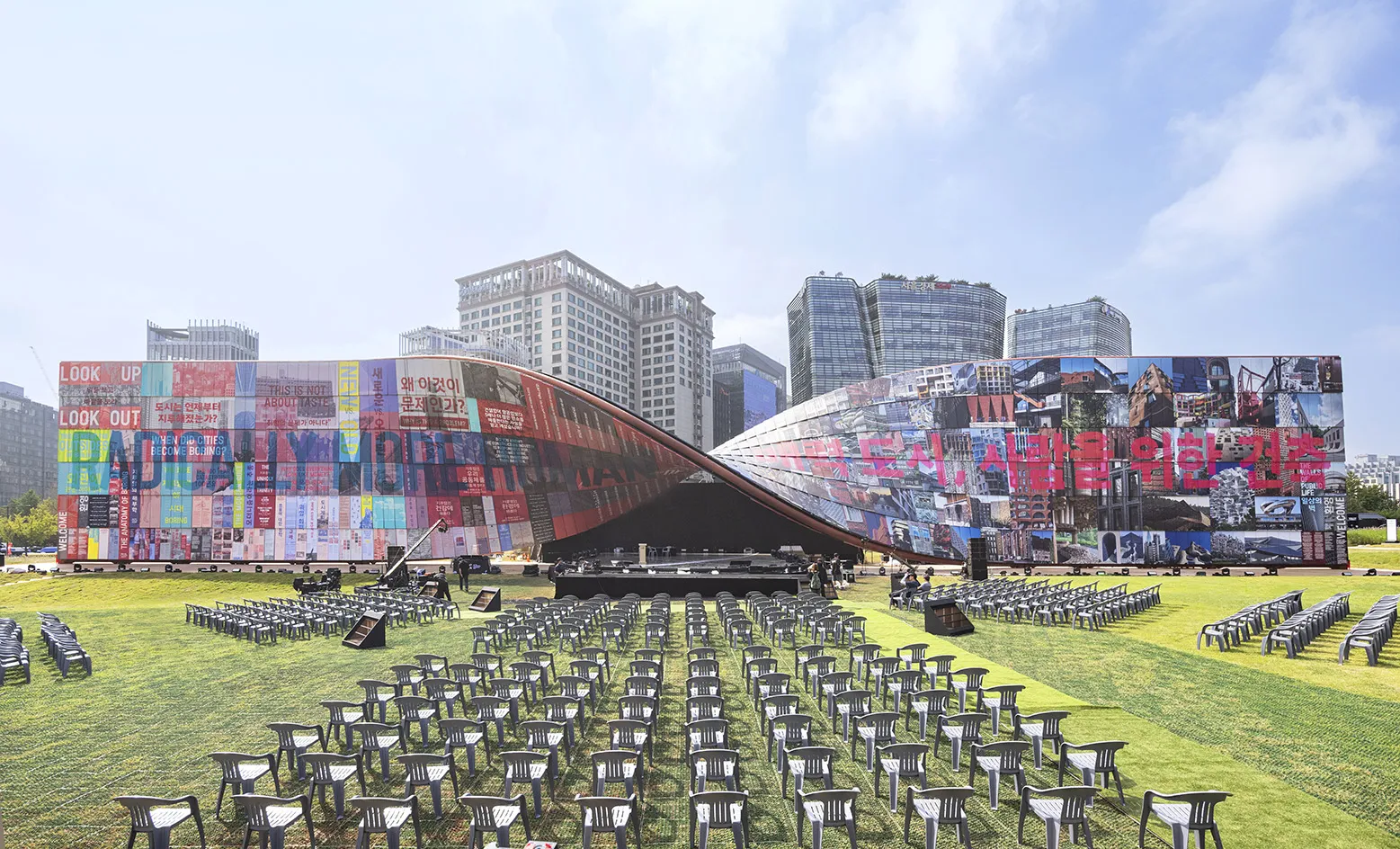
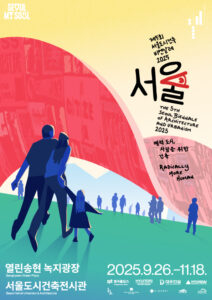
The 2025 Seoul Architecture Biennale is clear in its message: it is time for cities to become radically more human. At the creative helm of Thomas Heatherwick, the latest edition invites the world to reconsider how buildings and public spaces should make us feel, and not just function efficiently.
The Biennale will run from September 26 to November 18, 2025, across several key venues in Seoul, including Songhyeon Green Plaza and the Seoul Hall of Urbanism & Architecture. Much more than a design festival, this is an appeal for the rebuilding of emotional connections between people and their everyday surroundings.
Why “Human-Centered Architecture” Matters Today
In the most rapid urban development over decades, it is often speed and efficiency that become the mainstays. Clean lines, repetitive forms, massive structures-these are things that look impressive from afar. Many of these buildings fail to resonate with the people who actually use them.
According to Heatherwick, it is the more bland or “soulless” architecture that can quietly affect our well-being by governing our mood and even our sense of belonging. This Biennale rebels against that trend toward a future in which architecture would be more empathetic, expressive, and emotionally supportive.
Our cities should make us feel alive, safe, and connected-not drained or invisible.
What to Expect at the 2025 Biennale
Thus, the Biennale incorporates large-scale installations, exhibitions across the city, and international collaborations, all highlighting the emotive side of architecture.
Humanise Wall

One striking installation is the Humanise Wall itself-a mega-entity comprising 1,428 steel panels and rising to four stories high. Enclosed in this gigantic “wall of ideas” are more than 400 architectural projects and community submissions from 38 nations. It serves as a kind of visual manifesto to remind us that buildings can be warm, have personalities, and display humanity.
The Walls of Public Life
Another highlight is an array of 24 facade fragments designed by architects, chefs, fashion designers, artists, and craftspeople from around the world. Each fragment explores how the face of a building can shape human experiences — curiosity, comfort, playfulness, or community.
City Exhibitions & Programs
Several exhibitions underpin the Biennale’s argument:
- The City’s Face — displaying architecture from 21 world cities
- From a Bird’s Eye to the Human Eye: A shift in perspective on Seoul’s future cityscape, closer to the street-level human experience.
- Global Studio: Emotionally Yours, Seoul was a collaborative project in which creators and citizens from all over the world participated.
The Biennale also hosts forums, such as Emotional City, where architects, psychologists, scientists, and activists come together to debate how design shapes mental health, social bonds, and environmental well-being.
Core message: design for the people, not monuments

Throughout all its installations and discussions, the 2025 Biennale will reinforce several key ideas:
1. Buildings should feel human.
They are not sculptures to admire from far away — they are places where real people live, rest, gather, and dream.
2. Public spaces shape our emotions.
A friendly street, a warm façade, or even a shaded plaza can become our means of safety and connectivity in ways often taken for granted.
3. Design affects mental well-being.
It is usually the little things that we overlook in design that, in fact, can create certain emotions: texture, shadow, asymmetry, natural forms-can all affect how calm, inspired or stressed we are.
4. The voices of communities count.
This is a human-oriented city, where architects and planners listened to the voices of its inhabitants, from children to older adults.
Why Readers Ages 17–65 Can Relate to This
The message of the Biennale touches everyday life, even if you are not an architect.
For young people aged between 17–25:
It opens a window into how cities of the future could be more supportive, more social, and emotionally rich.
- For adults: ages 25-45 years
It makes one understand the need for choosing homes and workplaces that cultivate comfort, connection, and well-being.
- For older adults (45–65):
It’s just a reinforcement of the value placed on walkable, beautiful, safe, and community-oriented neighborhoods.
We all live in buildings. We all walk through streets. We all deserve environments that are meaningful, not just functional.

A Reflection for Cities in Indonesia and Beyond
The Biennale reverberates with challenges all too familiar to many Asian cities, including those in Indonesia. It reminds us that:
- thoughtful facades can soften dense urban areas.
- greenery and public spaces can restore calm,
- participation by citizens can lead to an emotionally healthier, more inclusive environment.
A humane city doesn’t have to be extravagant — it just has to recognize the emotional life of its people.
Conclusion
The 2025 Seoul Architecture Biennale invites us to dream of cities that are not cold and mechanical but warm, expressive, and deeply human. It calls on architects, planners, and ordinary residents to ask one simple yet powerful question:
“How should a building make us feel?
With this question in mind while building cities, the future can be not only visually compelling but emotionally enriching for all.

