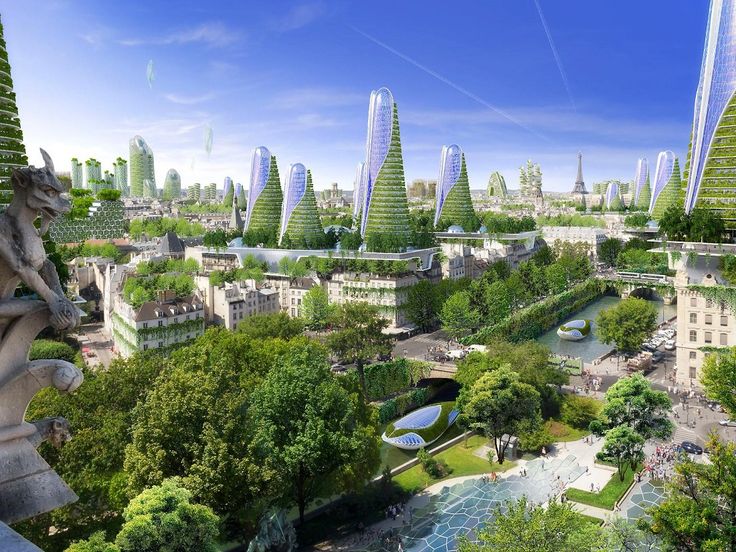
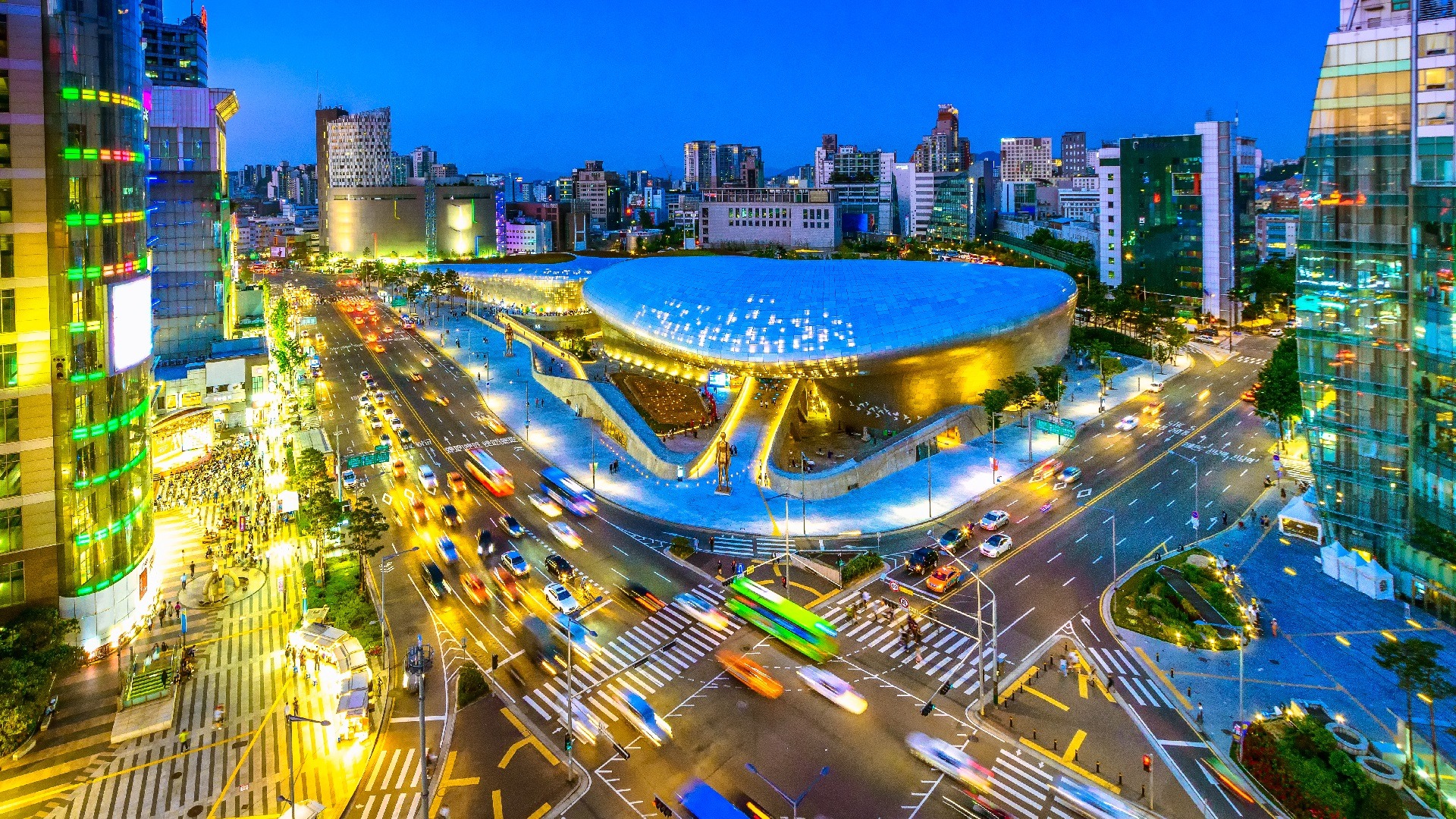
Moving into 2025, it is all about the paradigm shift toward human-centered architecture. Where earlier years were truly dominated by technology and spatial efficiency, today’s priorities revolve around emotion, well-being, and reconnecting people with nature.
This trend aligns with a number of international forecasts, among which are Eight Architectural Trends About to Blow Up in 2025 and Architectural Trends for 2025, pinpointing the rising appeal to natural materials, restorative spaces, and design that truly caters to human life.
Why Connecting with Nature Is Becoming Increasingly Essential

Today’s lives have led many of us away from the natural environment. Cities are increasingly crowded, our lives are increasingly busy, and green spaces are dwindling. For this reason, building designs in 2025 seek to guide us back to a more harmonious connection with nature.
1. Biophilic Design on a Deeper Level
Biophilic design is no longer about adding a few potted plants. This year, the approach becomes more immersive through:
- raw materials like stones, wood, and clay.
- optimized natural lighting throughout the day.
- water features that create serenity.
- and airflow strategies that create a living indoor space.
This direction not only provides support for the balance of beauty but also for the balance of feelings, focus, and health.
2. Blurring Indoor and Outdoor Boundaries
The blurred boundaries concept is fast gaining momentum. Large glass facades allow indoor space to flow out naturally, as do wide sliding doors, courtyard gardens, and lush balconies.
Architects also integrate nearby landscapes as a part of their design, rather than simply adding another layer for decoration.
Emotional & Wellness-Centric Design: Architecture That Feels
Where the architecture was once about form and function, today the question has become more intimate: How does a space make us feel?
This shift toward wellness-centric design comes out of a growing awareness that physical environments have a direct impact on emotional health.
1. Soothing, Comforting Colors and Textures
Rather than opting for bold colors, designers are opting for a calming, natural palette: cream, olive green, moss green, warm gray, and earthy terracotta.
Natural materials—such as linen, raw wood, and stone—provide a warm, cozy feel.
2. More Personal, Intentional Spaces
Today, structures are being created to support daily activities in a more intimate and meaningful way.
Examples include:
- a comfortable reading nook,
- a peaceful space,
- a small meditation area,
- and a dedicated creative nook.
These spaces strive to create emotional balance, making it easier for individuals to relax when a particularly disruptive routine occurs.
3. Light and Airflow as Emotional Tools
Natural light plays a crucial role in influencing feelings, morale levels, and work efficiency. As a result, skylights, large windows, and internal lightwells become essential elements in 2025.
Healthy airflow, provided by cross-ventilation or with an eco-friendly system, will further contribute to a rejuvenating and healing atmosphere.
Human-First Technology Integration
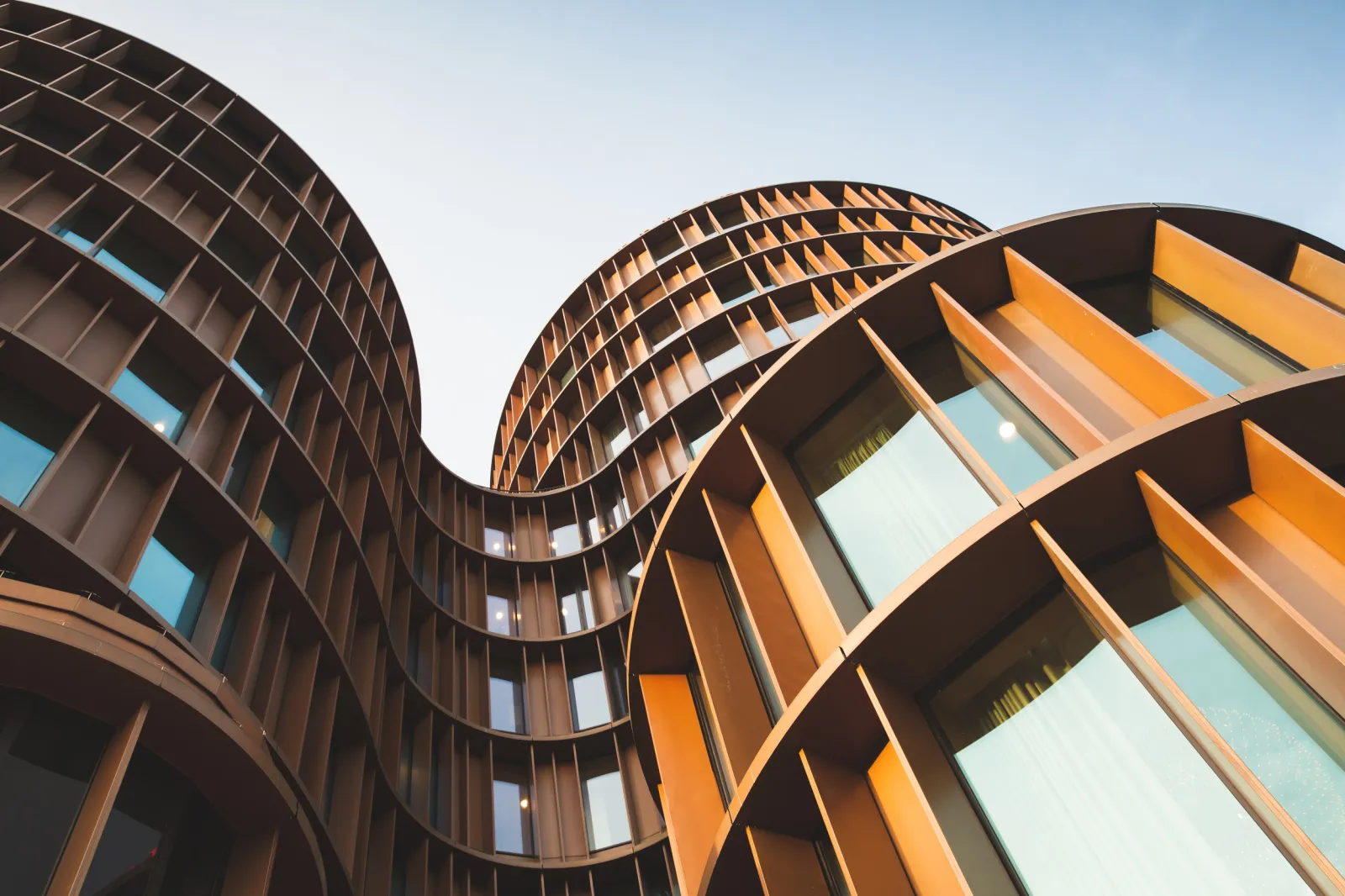
While nature is the main event, most of the 2025 architectural innovations are still supported by technology. The only difference is that technology now exists to complement human comfort, not overshadow natural elements.
Common examples include:
- Smart ventilation that automatically changes oxygen and humidity levels.
- Adaptive systems imitate the rhythm of the sun.
- non-toxic materials such as bio-concrete and transparent solar panels.
- It features AI-assisted space planning to maximize well-being.
Technology becomes a silent partner in enhancing comfort and sustainability without intruding into the naturalness of the environment.
Warm Minimalism: Simplicity with Character
Minimalism still leads the way, but in 2025 it’s warmer and more emotive.
Instead of feeling cold or rigid, minimalism embraces:
- simplicity in form,
- fewer, yet thoughtful furnishings.
- Natural tones.
- and subtle organic details.
The result is a clean, uncluttered space that still feels personal, grounded, and inviting.
Concluding Remarks
Overall, architecture in 2025 reflects a significant turn toward being more humane. No space is designed to be just functional; instead, a space will restore, comfort, and help people with emotional support.
By blending nature connectivity with wellness-focused design and human-friendly technology, architects are shaping environments that encourage a more harmonious lifestyle-both with our surroundings and with ourselves.