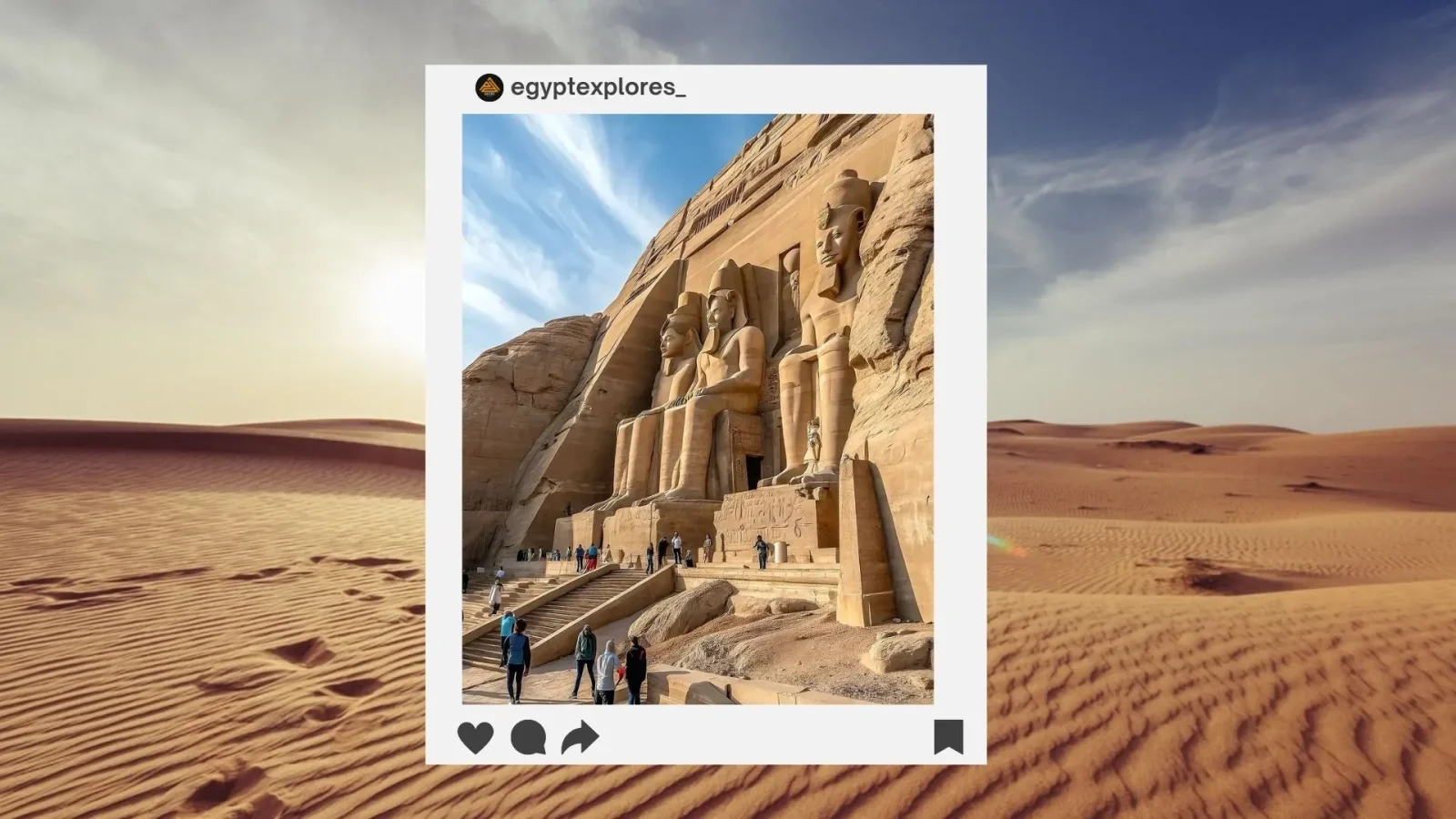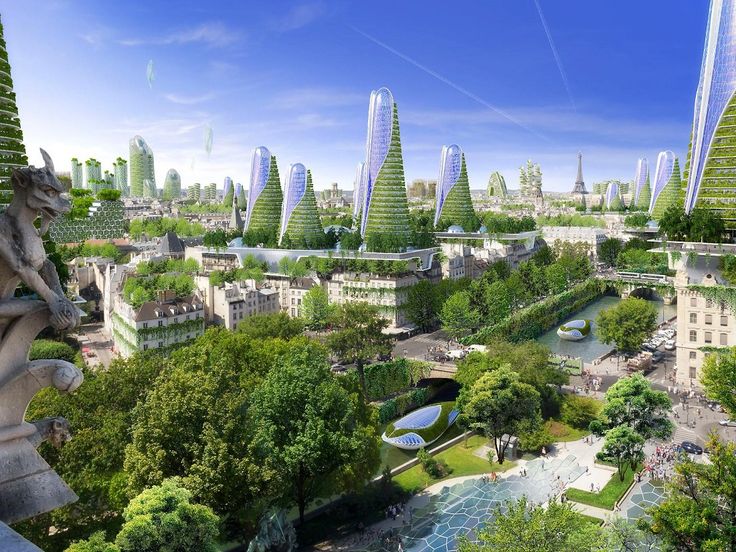
Architecture never sits still. In 2025 and 2026, it’s moving faster than ever—driven by climate pressure, fresh tech, and a real push to think about how people actually live and feel in these spaces. Cities keep swelling, and the world’s problems aren’t shrinking. So, architecture isn’t just about flashy shapes anymore. It’s about stepping up, staying nimble, and building places that actually matter.
Let’s dive into what’s shaking up the field right now—the trends and projects everyone’s watching, and why they’re worth your attention.
1. Climate-Responsive and Sustainable Architecture
Not Just for Show: Real Action
Sustainability isn’t some empty label anymore. The change is everywhere: net-zero and carbon-neutral buildings aren’t just nice extras—they’re quickly becoming standard. Architects are working on spaces that make as much energy as they use. Solar panels, smart cooling, geothermal tech—they’re all part of the toolkit now.
Materials are getting smarter, too. Imagine concrete that repairs its own cracks, or glass that dims itself on a hot day. These upgrades mean buildings last longer and waste less.
But it goes deeper than tech. Climate-responsive design now means paying attention to the land—catching breezes, finding shade, choosing local materials, and getting the orientation right. When a building fits its site, it just works better. It feels right, runs efficiently, and stands up to whatever’s coming next.
2. Biophilic Design and the Return to Nature
Letting Nature In
Sustainability matters, but let’s be honest—people want to feel connected to nature, too. Biophilic design is exploding everywhere. It’s not just about sticking a few plants in the lobby. Whole green walls, lush courtyards, indoor gardens, and open transitions are blurring the line between inside and out.
Nature isn’t just a backdrop anymore—it’s essential. It clears the air, eases stress, and lifts your mood. In crowded cities, biophilic design is a real breath of fresh air. It reminds us we belong to the natural world, even when we’re surrounded by concrete.
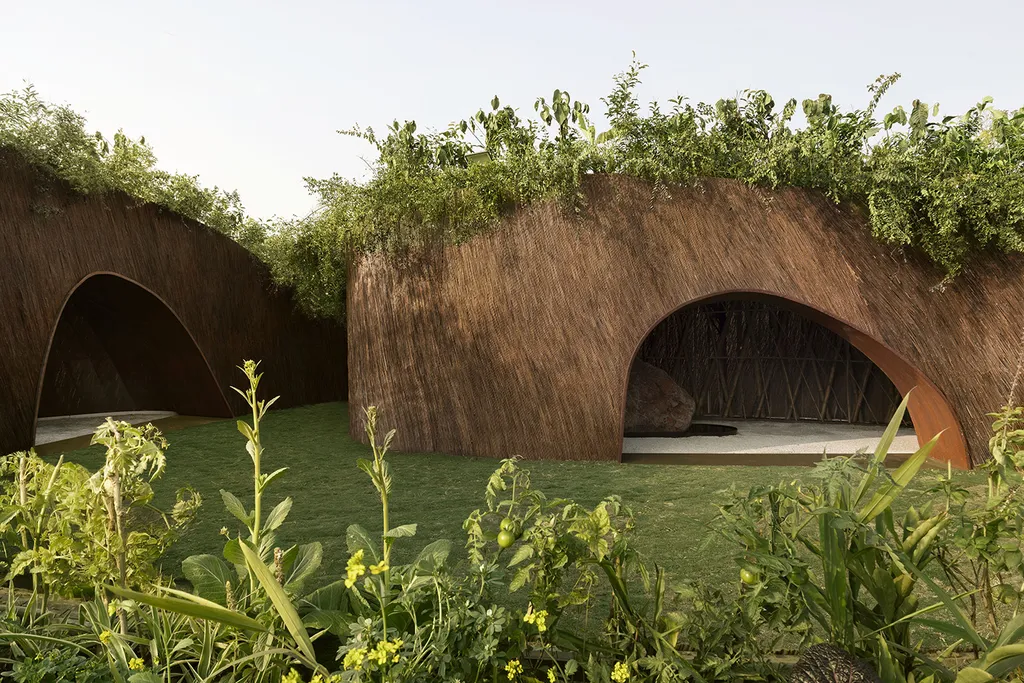
Pop-up pavilions and wild new structures are telling environmental stories, too. They don’t just offer shelter—they wake people up to what’s happening around them.
3. Smart and Sustainable Materials
Nature Meets Innovation
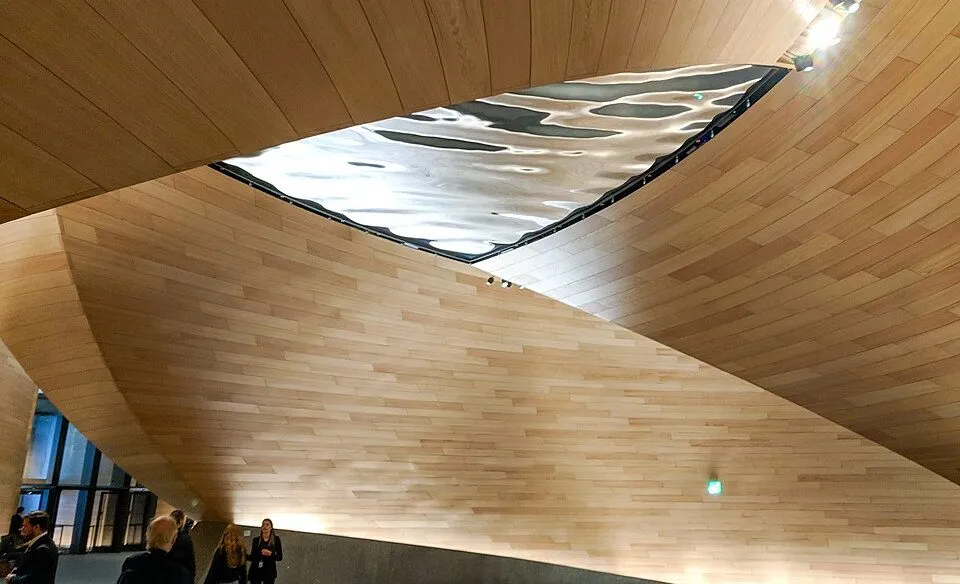
When it comes to materials, things are changing fast. Architects are picking stuff that’s good for the planet or responds to the weather in real time. Mass timber is popping up everywhere, replacing concrete and steel in huge projects. Whole neighborhoods are going up in wood, which means less carbon and a warmer, more welcoming feel.
But that’s just the start. Bio-integrated materials are hitting the scene—think panels that filter air, trap carbon, or shift with humidity. Suddenly, buildings are starting to feel alive in their own way. The bigger idea? Make architecture part of the answer, not part of the mess.
4. Landmark Projects Shaping the Global Conversation
Buildings That Tell Stories
Trends are one thing. But then there are those big, headline-making projects—museums, airports, bridges, cultural spaces. These aren’t just pretty faces; they tell you something about the place and the people who built them.
Some make bold, sculptural moves; others take old traditions and twist them into something new. Either way, they prove you can honor history and still break new ground.
What links these projects? They put people first. They’re not just objects to stare at—they’re places to gather, wander, and remember. In the end, architecture becomes a connector, not just a backdrop. It’s about bringing people together.
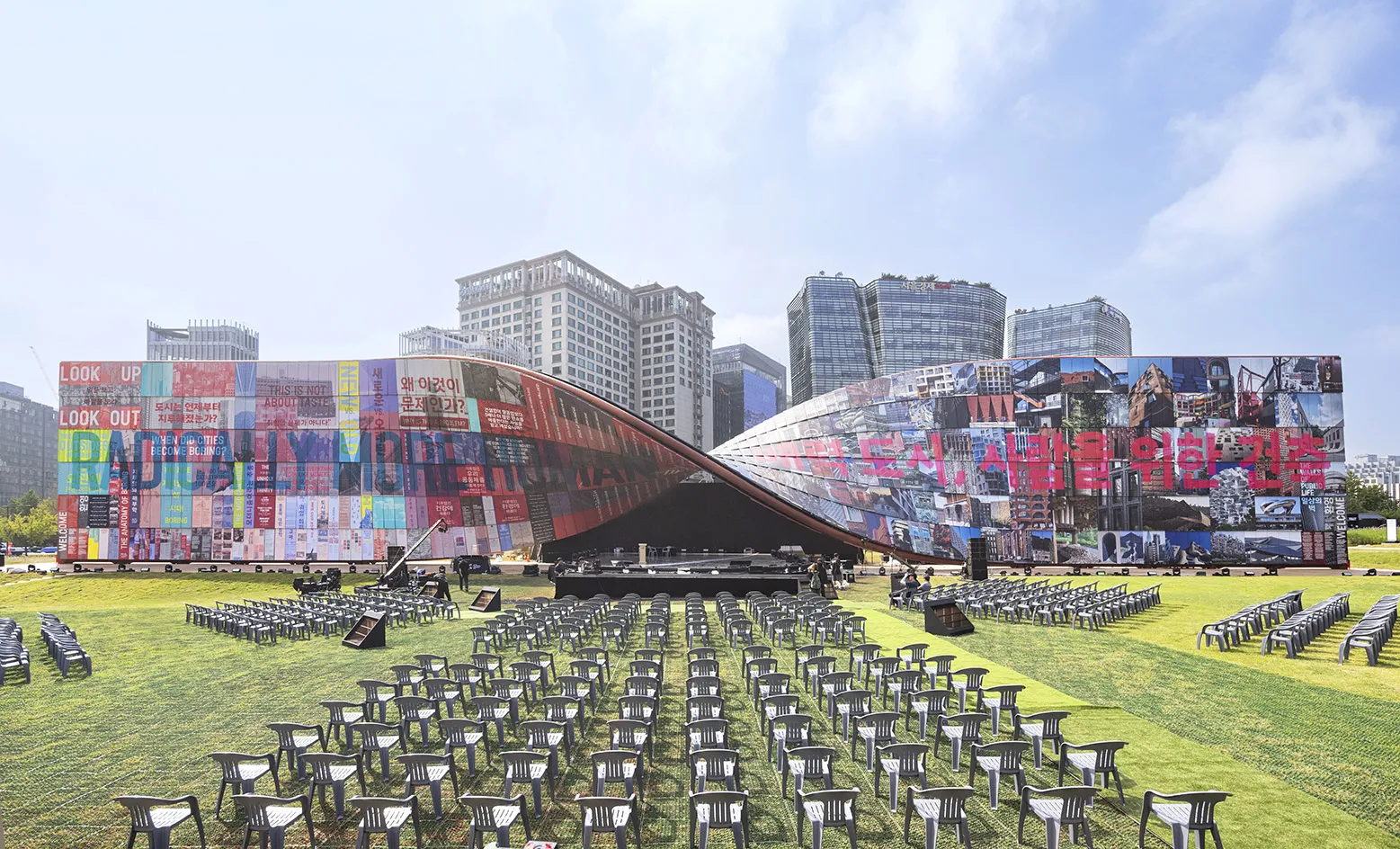
5. Toward a More Human-Centered Architecture
Spaces That Feel Right
At the core, architecture’s getting personal. Everywhere you look—design fairs, exhibitions, new projects—everyone’s talking about people. How does a space actually feel? How does the light move? What happens as materials get older and change color? It’s not just about squeezing out more efficiency. It’s about building places where people genuinely want to spend time. That’s where the future’s headed.
Conclusion:
So, what’s driving this shift? Climate, for starters. It’s front and center now. Architects are doubling down on low-carbon, climate-smart design. Nature isn’t just something you see through the window—it’s coming inside. Plants, sunlight, and natural patterns are showing up everywhere, woven into walls and wide-open spaces. Materials are getting smarter, too. Builders are choosing renewables and trying out stuff that can actually respond to the world around us.
Just looking good doesn’t cut it anymore. People want to know: Does it work? Is it built to last? Does it make life better? Architecture can’t solve everything, but it’s stepping up. It’s ready to help create a future that’s stronger, kinder, and a whole lot more connected.