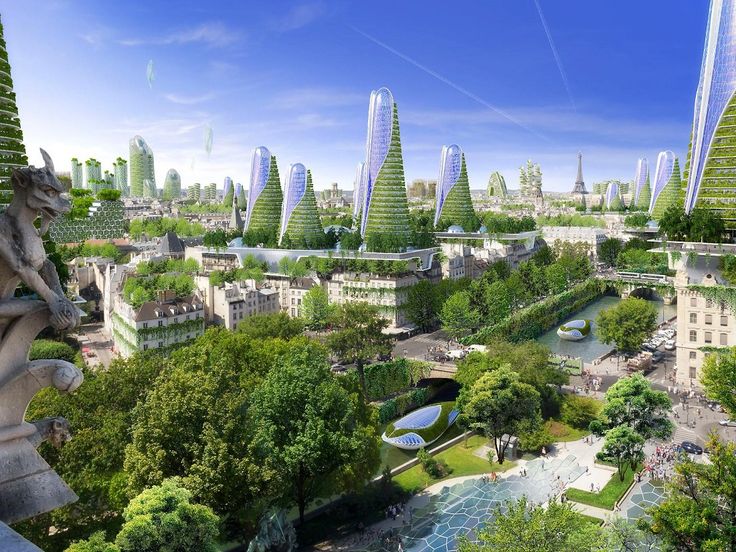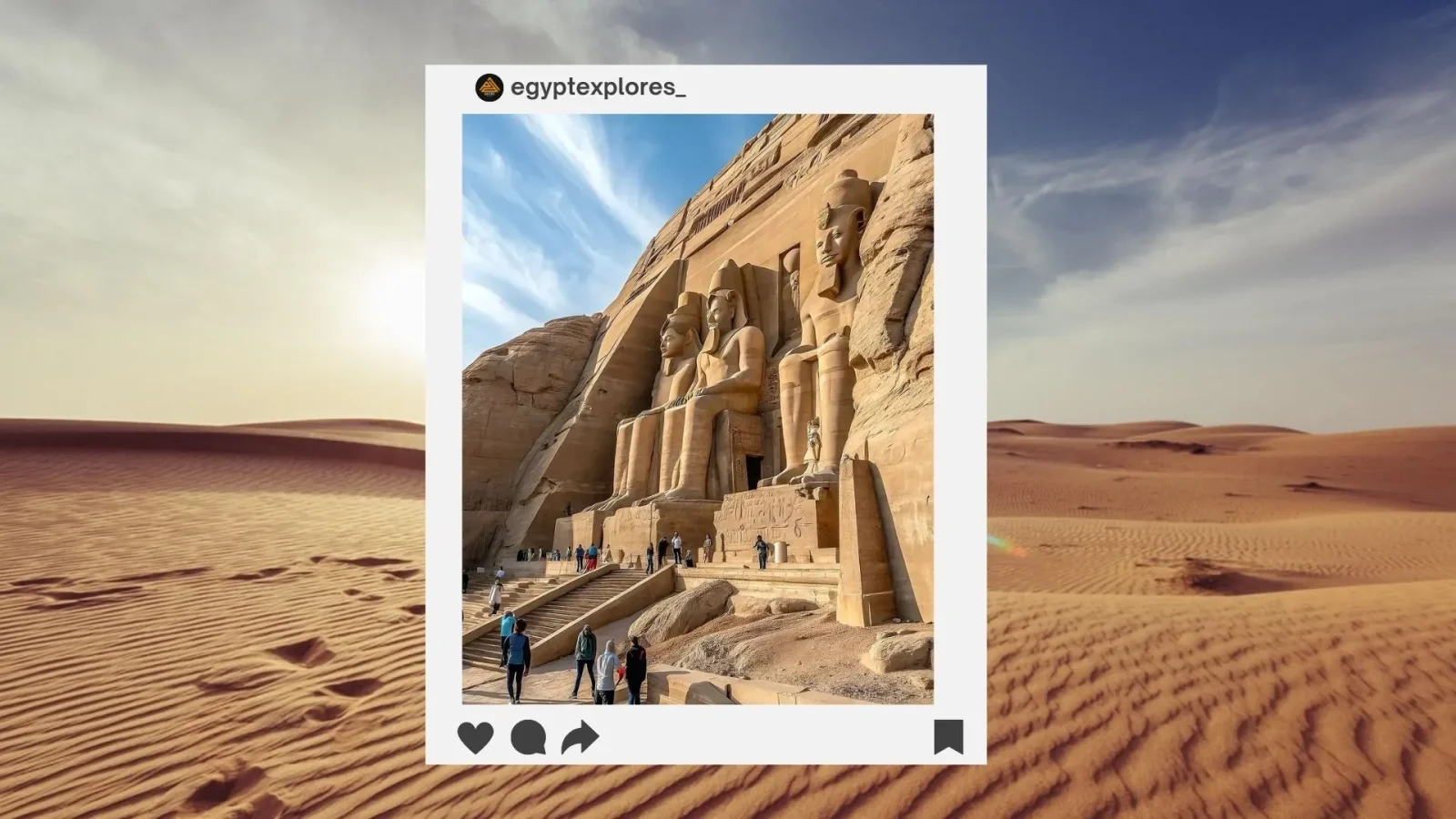
The days when functionality, structure, and eternal beauty defined architecture are long gone. Nowadays, design is becoming more and more dependent on social media, primarily Instagram. It is a visually based platform, which resulted in a paradigm shift in architecture design, as architecture is now designed, experienced, and even critiqued independent from it. And from these roots, there emerges a new trend—buildings for people, as well as for computers.
Therefore, how has Instagram affected architecture design? What is the implication of this new development for architects and architecture/buildings?
The Age of the Algorithm
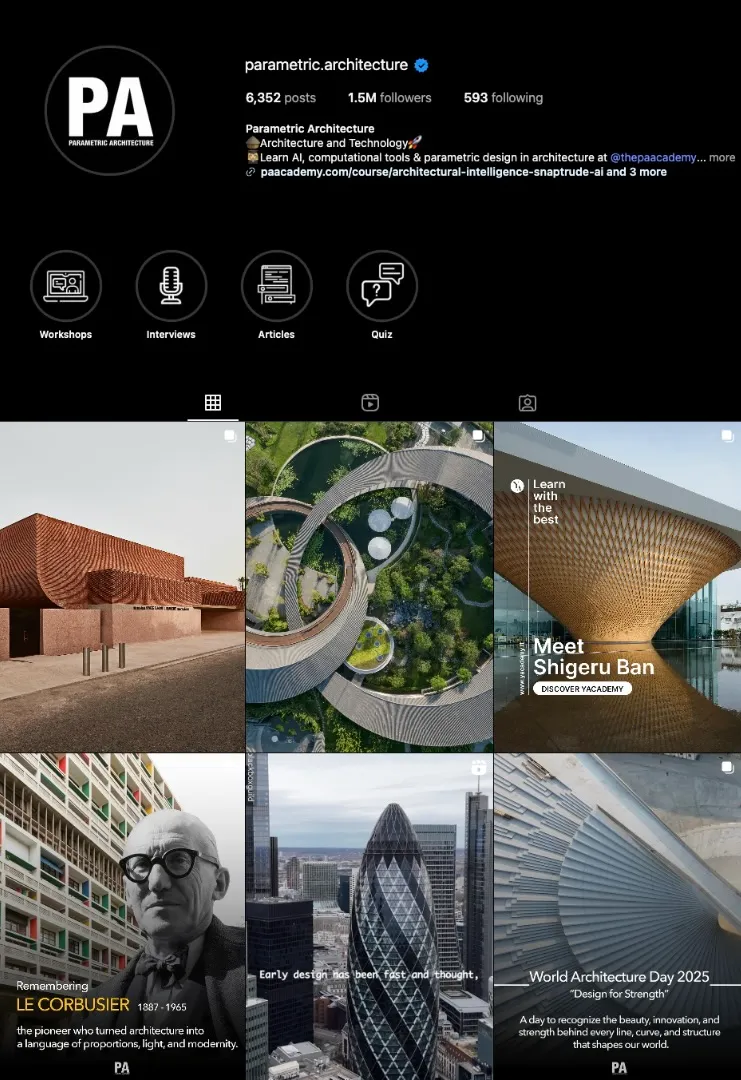
Traditionally, architecture was something that was meant to be experienced through and through – through space, through light, through texture, through movement. Now, with Instagram, this experience gets reduced to one still picture.
In fact, according to “Building for the Algorithm: Architecture in the Age of Instagram,” many buildings are now intentionally built for maximum effectiveness in the world of social media. This can be seen to mean that architects are no longer designing for human interactions but for algorithmic functions that appeal to striking visuals.
Precisely for this reason, items such as:
-
bold façades,
-
in catching colors,
-
dramatic geometries, and
-
extremely photogenic corners
They have become integral to the process of design. In short, buildings are no longer merely places to use or places to inhabit—it’s content to be shared.
From Function to Visual Impact
Decades ago, the underlying philosophy that guided architectural thinking is that form follows function. However, currently, the said philosophy may change to that of form follows visibility.
As a general rule, restaurants, museums, hotels, and public venues have increasingly incorporated:
- Designated photo spots
- giant murals,
- sculptural staircases
- iconic decorative elements.
In this case, the goal is quite obvious: infiltrate the online limelight. Of course, when an image of something spreads like wildfire, this particular structure becomes remarkably visible—in a non-traditional advertisement sort of way.
But this leads to another question: Does an architectural structure that looks good on Instagram have to be functional in every sense? Not really, and this begins the process of emerging into new design problems.
The Influence of Instagram on Architecture
However, on a positive side, it has democratized architecture. People who had less interest in architecture are now dealing with it daily through pictures and videos of buildings and their related stories.
Besides:
- young architects receive recognition much faster.
- whereas, on the other hand, small-scale projects may reach a global audience and
- The visual creativity is highly encouraged.
Besides this, there is an increasing awareness about the visual identity of the city as well. The spaces in the city are designed in such a manner as if they are alive and interesting. In this context, it can be said that Instagram was able to bring people back to the physical environment as well.
Risks Behind the Visual Obsession
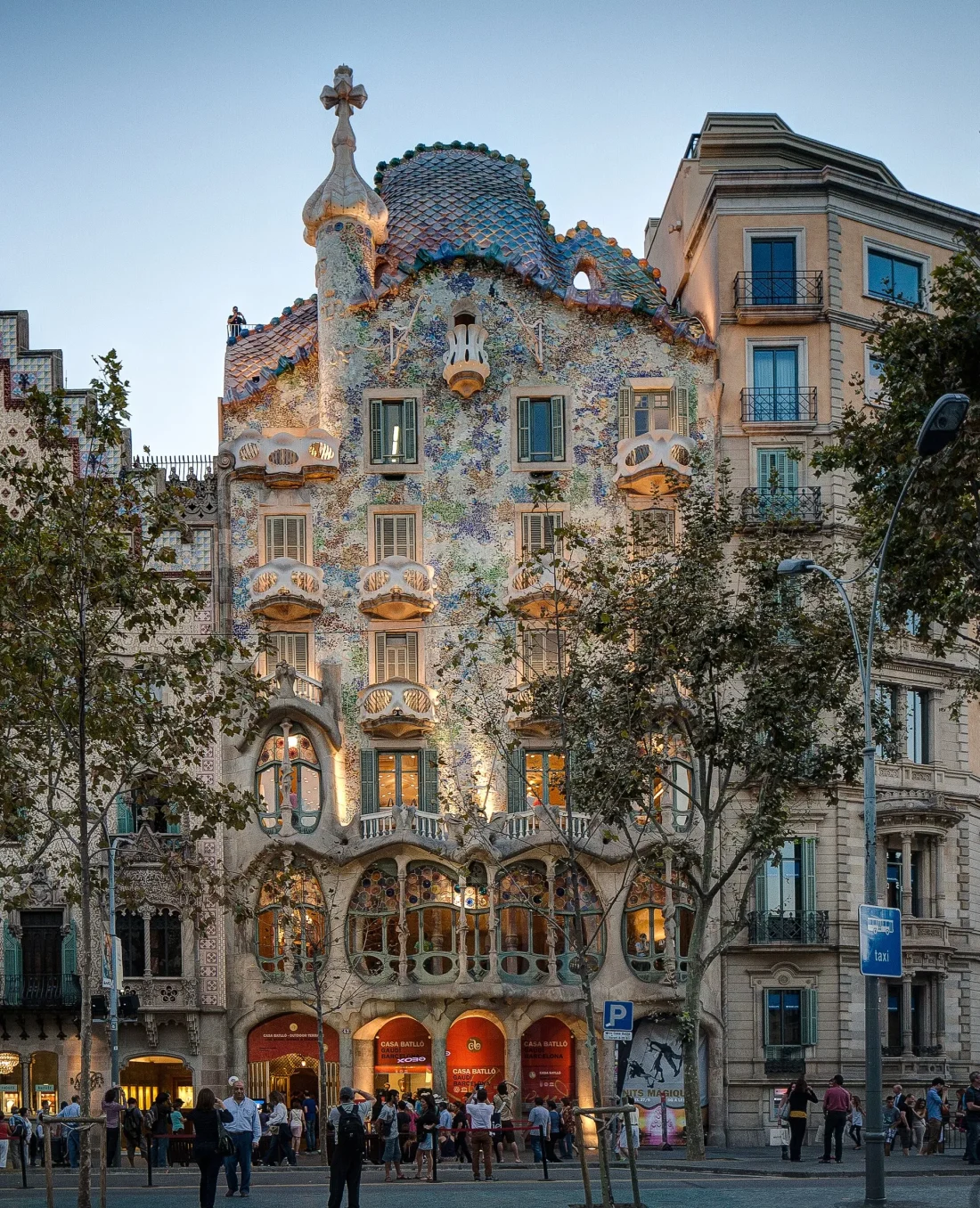
Conversely, there is, however, the problem with prioritizing aesthetic value. While architecture may forget to explore the concepts of depth and meaning when prioritizing aesthetic value, the same theory cannot be applied to architecture.
For example:
- A space can appear beautiful in pictures but uncomfortable in reality.
- materials could be chosen based on their looks and not their durability, or
- Designs might end up being repetitive since they are designed based on trends and not on ideas.
If architecture is not remedied, it can never be anything but a photo op with actual usable space.
Balancing Acts: Universal Design for People, Products and Media
Is it necessary to exclude the site from architecture altogether? Certainly not. What is required is far more harmony.
Architecture today should be:
- Captivating to look at, yet fully usable.
- Attractive to display, yet comfortable to use.
- Connected to the virtual world, yet connected to the local context.
In other words, Instagram can be viewed as a tool in itself; it leads to another end.
Conclusion
Of course, Instagram has impacted the way we design our buildings. It shifts the mind of architects, influences the way projects are marketed, and the way people use an area. This change, however, isn’t completely good or completely bad. It all relies on the way it goes. But if used properly, Instagram could help fill the gap between architecture and people, while if used as the only guideline for success, the real value of space will be left out. After all, architecture is for people. Yes, the viral image hits in seconds, but the well-crafted space lingers—in usage—for years.