
Lighting can make or break the atmosphere, comfort level, and functionality of any space. It becomes even more challenging in a multilevel home with variable room heights, different sources of natural light, and visual transitions between the floors. Thoughtful lighting design beautifies and at the same time supports daily activities and well-being in general. Here are key strategies that will help in optimizing lighting in a multilevel home:
1. Maximize Natural Light Across All Levels
The foundation of any lighting plan is natural light. Most multilevel houses have staircases, high ceilings, or open voids that allow daylight to travel vertically. Extend this further with larger windows, skylights, or glass partitions in order to take advantage of it. This way, the sunlight will be better distributed and the need for artificial lighting will be minimized during the day. In cases where the aspect of privacy might become an issue, sheer curtains or frosted glass would soften the light without blocking all of it.
2. Layered Lighting in Each Space
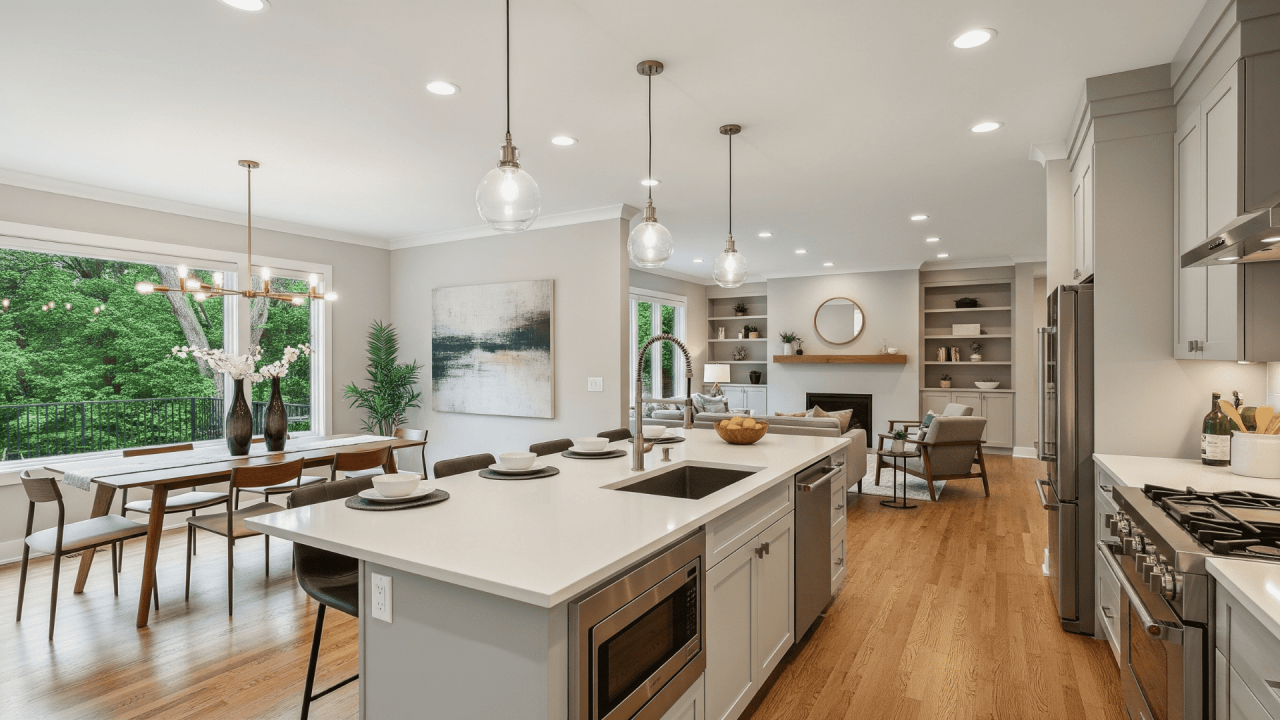
A well-lit home contains multiple layers to create depth and flexibility. In fact, three main layers providing for all needs are ambient, task, and accent lighting. Ambient lighting refers to the overall lighting in the space. It has consistent illumination intensity. Some options that may be considered include LED panels mounted on the ceiling, chandeliers, and recessed downlights. Task lighting focuses light on areas that require more detail and precision. Such details may be focused on kitchen counters, reading corners, or even home-office desks. Under-cabinet lighting and adjustable desk lamps easily solve this problem. Accent lighting highlights unique features within the home, including artwork, staircases, and other architectural features. This visual appeal and aesthetic appeal are achieved through the installation of wall lights or spotlights. These three layers work together to create a balanced and functional lighting environment on each floor, accommodating a variety of activities and moods.

3. Comprehensive Floor Lighting
Color temperature is a vital feature that provides harmony in a multi-story home. Each floor may have its own character, but the continuity of color temperature and brightness avoids disruptive visual transitions from one space to another. Warm white lighting-ideal for living areas and bedrooms-should be in the range of 2700-3000K, while neutral white lighting, suited for kitchens and bathrooms and workspaces, is at 3500-4000K. Similar fixture styles or finishes that continue from one floor to the next help tie the design together.
4. Emphasize Staircases and Transitional Areas
Staircases are among the most important features of a multilevel home, both structurally and for safety. This will be much more functional and beautiful when the lighting is in order. This provides subtle yet effective lighting down the steps or along the bottom of the handrail with LED strip lights. Dramatic focal points are set by pendant lights or wall sconces-mostly in tall stairwells. Such features make transitions to and from floors both safe and visually appealing.
5. Integrate Smart Lighting for Better Control
Convenience, energy saving, and personalization are the three advantages one may enumerate concerning smart lighting systems. The dimming, scheduling, and remote control functions of the smart light systems would allow the home owner to easily change the setting on every floor. The presence of motion sensors plays an important role in hallways or staircases by turning on the lights only when needed.
Closing Points
Proper management of lighting in multi-level homes is an art of creativity and strategy. Emphasis on natural light, layered lighting, continuity, use of transition areas, and incorporation of smart technology shall provide a comfortable, visually cohesive, inviting living space. It is the thoughtfulness of lighting which turns a humble abode into a refined, functional, and harmonious living space.